Rainbow Six Siege Guides
How to Improve in Rainbow Six Siege Without Grinding Bad Habits
Rainbow Six Siege looks simple until tempo, economy, and map pressure stack together. This guide focuses on repeatable habits — not highlight-chasing — so your next Ranked block feels intentional instead of chaotic.
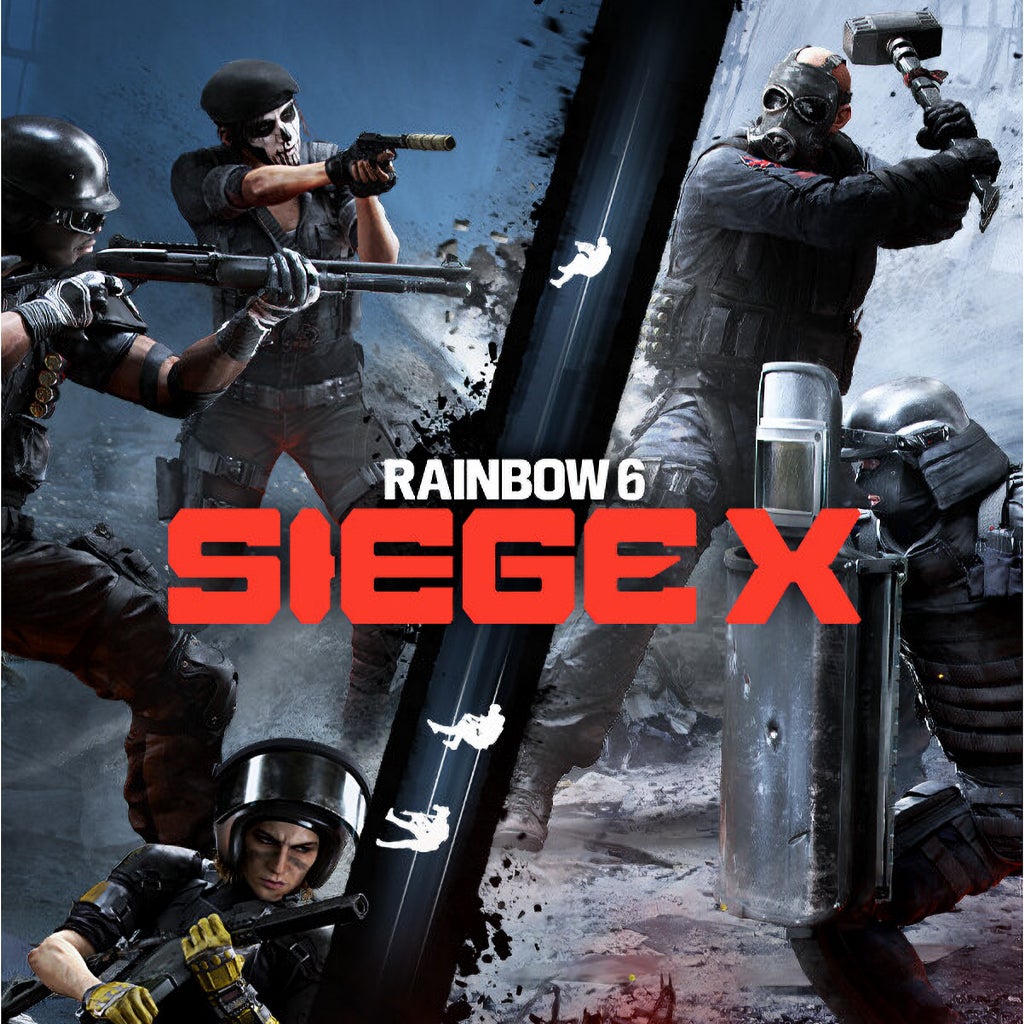
Cover image via IGN
Understanding Rainbow Six Siege combat pacing
Rainbow Six Siege rewards players who treat Ranked as a decision ladder, not a highlight reel. In tactical FPS titles, the first minute often decides whether your mid-game is calm or chaotic. Start each session with one explicit goal — secure an angle, complete an objective, or extract with profit — and drop side quests that do not serve it.
BattlEye updates can reshape what works overnight. When a security patch lands, verify client integrity, read official patch notes, and run one low-stakes lobby before you queue ranked. That habit prevents misreading a balance change as a hardware or input problem.
Economy discipline separates steady climbers from streaky players. In Rainbow Six Siege, buying the flashiest kit every round often leaves you broke on the round that decides promotion. Practice one budget loadout and one premium loadout so you can pivot when Ranked tempo shifts.
Objective trading vs elimination chasing
Comfort settings matter more than copied pro configs. Field of view, sensitivity, and crosshair clarity should survive long Rainbow Six Siege sessions without wrist fatigue. Change one variable per week so you can actually feel whether Unranked aim improved or just felt different.
If you play Unranked regularly, keep a lightweight notes file. Track which maps felt readable, which weapons felt consistent at your skill level, and which lobbies punished slow rotations. Patterns show up faster on paper than in memory, especially across long Rainbow Six Siege sessions.
Team clarity beats raw aim in Rainbow Six Siege when objectives matter. Call only actionable info — direction, count, status — and silence duplicate comms. Even in solo queue, typing less and signaling more reduces the cognitive load that makes tactical FPS fights feel random.
Reviewing deaths without tilt
Comfort settings matter more than copied pro configs. Field of view, sensitivity, and crosshair clarity should survive long Rainbow Six Siege sessions without wrist fatigue. Change one variable per week so you can actually feel whether Quick Match aim improved or just felt different.
If you play Quick Match regularly, keep a lightweight notes file. Track which maps felt readable, which weapons felt consistent at your skill level, and which lobbies punished slow rotations. Patterns show up faster on paper than in memory, especially across long Rainbow Six Siege sessions.
Team clarity beats raw aim in Rainbow Six Siege when objectives matter. Call only actionable info — direction, count, status — and silence duplicate comms. Even in solo queue, typing less and signaling more reduces the cognitive load that makes tactical FPS fights feel random.
For more game updates, guides, and related resources, you can also explore additional guides.