Marathon Guides
How to Improve in Marathon Without Grinding Bad Habits
Marathon looks simple until tempo, economy, and map pressure stack together. This guide focuses on repeatable habits — not highlight-chasing — so your next contract runs block feels intentional instead of chaotic.
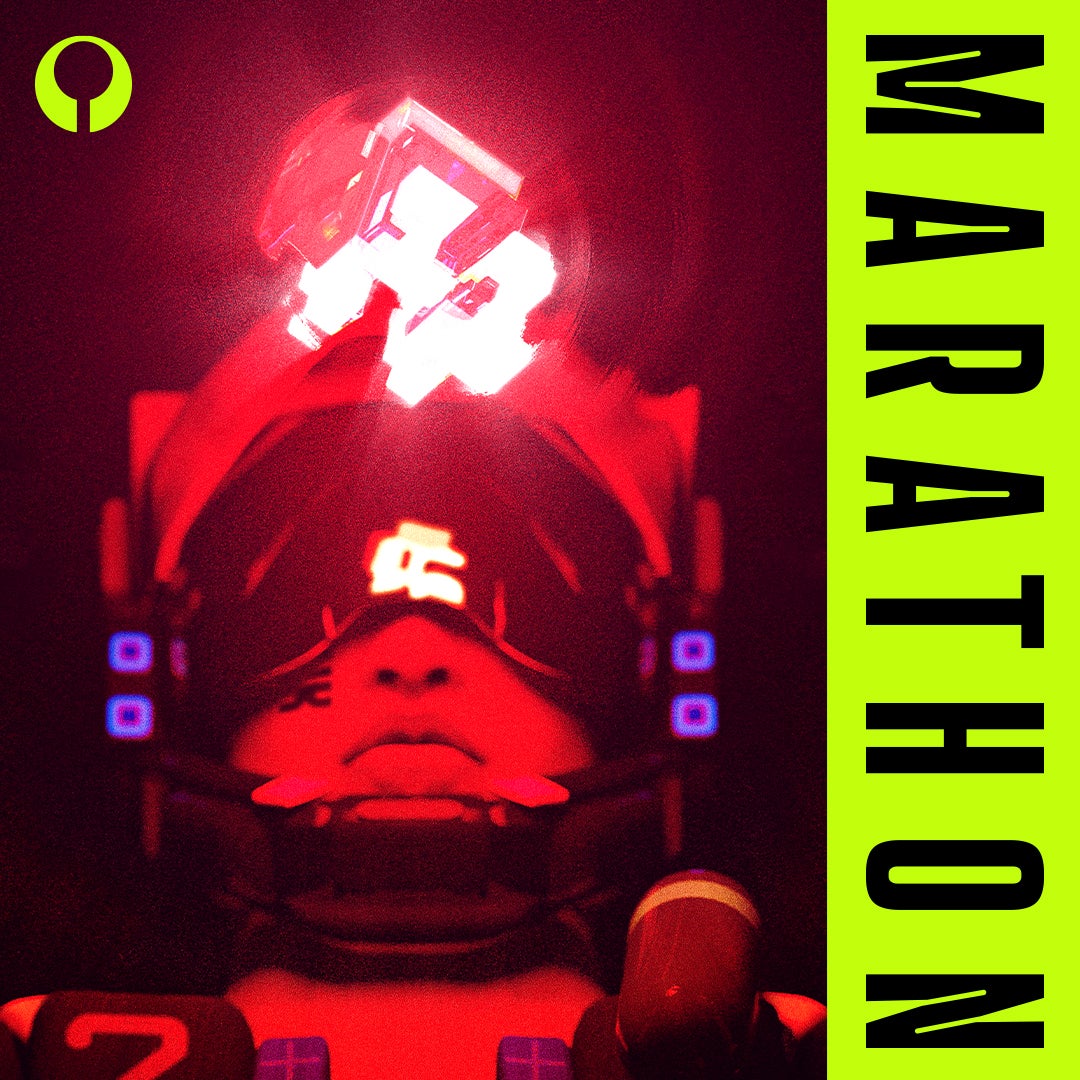
Cover image via IGN
Loadout economy and resource timing
If you play contract runs regularly, keep a lightweight notes file. Track which maps felt readable, which weapons felt consistent at your skill level, and which lobbies punished slow rotations. Patterns show up faster on paper than in memory, especially across long Marathon sessions.
Economy discipline separates steady climbers from streaky players. In Marathon, buying the flashiest kit every round often leaves you broke on the round that decides promotion. Practice one budget loadout and one premium loadout so you can pivot when contract runs tempo shifts.
Comfort settings matter more than copied pro configs. Field of view, sensitivity, and crosshair clarity should survive long Marathon sessions without wrist fatigue. Change one variable per week so you can actually feel whether contract runs aim improved or just felt different.
Audio cues worth prioritizing in firefights
Team clarity beats raw aim in Marathon when objectives matter. Call only actionable info — direction, count, status — and silence duplicate comms. Even in solo queue, typing less and signaling more reduces the cognitive load that makes extraction shooter fights feel random.
Comfort settings matter more than copied pro configs. Field of view, sensitivity, and crosshair clarity should survive long Marathon sessions without wrist fatigue. Change one variable per week so you can actually feel whether team extractions aim improved or just felt different.
Most losses in Marathon come from tempo mistakes: pushing alone after a trade, holding the same angle after your position was revealed, or reloading in the open because the previous fight felt easy. Build a personal reset rule. After two failed peeks, rotate or fall back before you donate another free kill.
Settings that reduce visual clutter
Most losses in Marathon come from tempo mistakes: pushing alone after a trade, holding the same angle after your position was revealed, or reloading in the open because the previous fight felt easy. Build a personal reset rule. After two failed peeks, rotate or fall back before you donate another free kill.
Team clarity beats raw aim in Marathon when objectives matter. Call only actionable info — direction, count, status — and silence duplicate comms. Even in solo queue, typing less and signaling more reduces the cognitive load that makes extraction shooter fights feel random.
VOD review does not need to be long. Re-watch thirty seconds around each death: where you looked first, whether cover was usable, and if audio telegraphed the push. One honest clip per session compounds faster than grinding ten angry rematches.
For more game updates, guides, and related resources, you can also explore additional guides.